

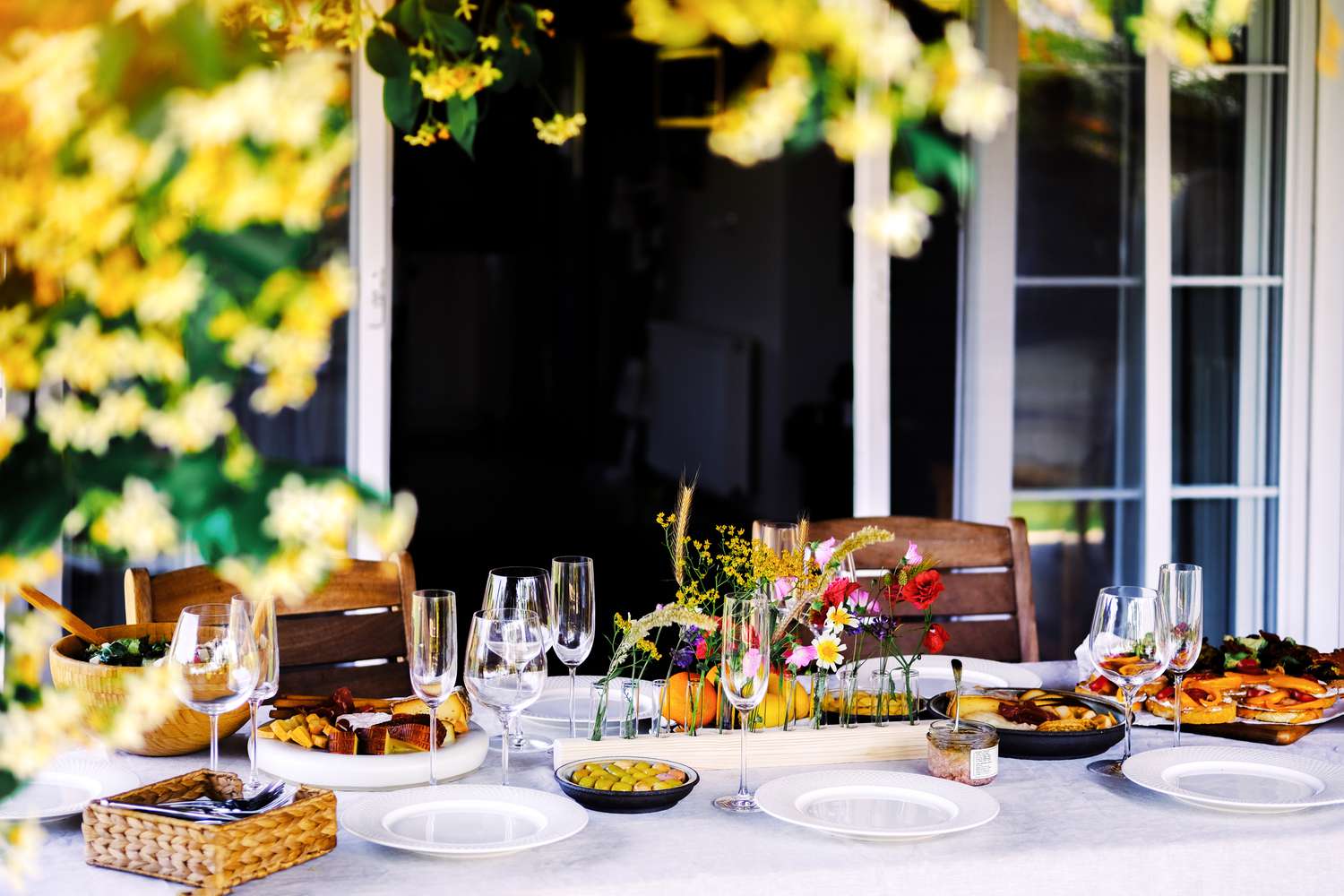
A party table can look ready long before it is ready to use. The plates match the napkins, but there may be nowhere to put a used fork, too few dessert plates, or a dinner plate that crowds the buffet counter.
Choosing premium disposable dinnerware involves design and practical planning. Before ordering, think through the meal from the first appetizer to the last bag of trash. These seven common mistakes are easier to fix before guests arrive.
1. Buying for the photograph instead of the menu
A decorative rim may suit the invitation, but appearance alone does not tell a host whether a plate suits the food. A cold sandwich lunch has different tableware needs than a saucy dinner or standing reception.
Write down the menu before shopping. Check product descriptions and manufacturer directions for intended food use, temperature limits, and any microwave restrictions. Do not assume all disposable materials behave alike.
If possible, order a small pack first. Try a typical serving with the intended cutlery at home. That trial can reveal an awkward rim or slippery surface, along with any difficulty carrying the plate, before the bulk order arrives.
2. Choosing sizes without measuring the usable space
The listed diameter is not always the space available for food. A wide decorative border leaves less room in the center, while an oversized plate can crowd a small dining table.
Compare the serving area and overall dimensions. Think about how the main dish and sides will fit, and whether guests will cut food on the plate. For appetizers and dessert, choose a size that suits the portion rather than automatically ordering another dinner plate.
Measure the table, too. Leave room for glasses and serving dishes without crowding guests. A quick mock-up with one setting is more useful than guessing from a product photograph.
3. Counting guests but forgetting courses
A head count is only the starting point. A guest may need separate plates for appetizers, dinner, and dessert. The plan changes again if cake follows a separate sweet course.
Make a simple list of each food service and the pieces it needs. Multiply those quantities by the expected attendance, then choose a reserve that fits the event’s size and serving style. Keep spare napkins and utensils accessible rather than buried beneath decorations.
Read pack contents carefully. A set advertised by its total piece count may include several kinds of items, not that many complete place settings. Compare the number of dinner plates, smaller plates, and utensils individually before checking out.
4. Ordering matching pieces without comparing the details
Two products labeled gold or ivory may look different together. Photos taken under different lighting can make finishes difficult to judge. Buying unrelated packs at the last minute leaves little opportunity to adjust.
Choose a main plate first, then compare the other pieces against it. Hosts browsing https://bymadee.com/ can use the same approach: start with a preferred design and check the dimensions, quantities, and available coordinating pieces before ordering.
An exact match is not essential. A plain neutral napkin may work better than a nearly matching patterned one. Repeat one or two deliberate details instead of making every item decorative.
5. Forgetting how guests will carry their food
A buffet can become awkward when guests must hold a plate, a drink, a napkin, and loose utensils while serving themselves. Attractive pieces do not solve a crowded service layout.
Walk through the route with an empty plate. Is there a clear place to set it down? Check that serving utensils are within reach without leaning across another dish, and consider whether drinks could move to a separate station.
Place napkins and cutlery where they are easiest to collect, often near the end of the food line. If the menu calls for cutting substantial food, provide somewhere to sit and eat. Match the setup to the meal rather than expecting guests to juggle everything.
6. Leaving delivery, storage, and setup until the last minute
The right tableware is little help if it arrives after the event or there is no time to inspect it. Include shipping estimates in the planning.
Order with time to check quantities and condition. Review the seller’s delivery and return information before purchase, especially for a larger event. Keep packaging until the contents have been counted and inspected.
Store unused pieces in a clean, dry area according to any package directions. Group items by destination, keeping dining table supplies separate from dessert pieces and reserves. That makes setup easier for anyone helping on the day.
7. Assuming disposable means cleanup needs no plan
Single-use tableware still leaves food scraps, packaging, and used pieces to collect. Without an obvious clearing area, plates tend to accumulate wherever guests find space.
Arrange bins and a discreet clearing spot before the party. Keep replacement liners nearby and decide who will check the area during the event. Separate items only as required by the local waste service; do not assume a disposable product belongs in recycling or compost collection.
A little planning removes small obstacles before they interrupt the gathering. Once the menu, quantities, delivery, and cleanup are settled, the tableware can do its job while the host spends time with guests.
