

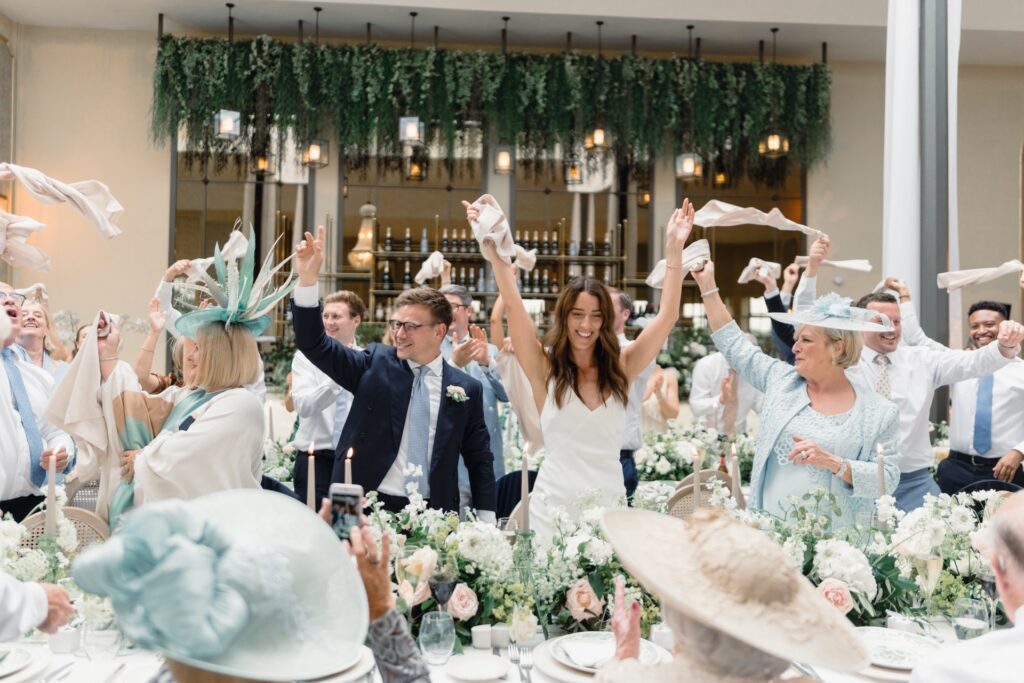
Introduction: Redefining the Modern Wedding Experience
The world of weddings has evolved dramatically over the last decade. Couples no longer want predictable ceremonies with traditional patterns; they crave something more personal and emotionally charged. This desire for authenticity and uniqueness has given rise to experiential wedding planning, a creative approach that focuses on storytelling, sensory engagement, and emotional resonance. Unlike standard weddings centered on aesthetics or schedules, experiential weddings are built around a couple’s journey, passions, and shared moments—turning an event into a living narrative that guests can truly feel.
Moving Beyond the Visual: The Power of Emotion in Planning
In experiential wedding planning, the emotional undercurrent takes precedence over decoration or trend-following. Every decision—from the choice of venue to the arrangement of music—is made to evoke a specific feeling. The aim is to make guests experience the couple’s essence through carefully curated moments. It’s about engaging all five senses: the aroma of signature florals, the texture of the table linens, the soft hum of a string quartet during dinner, and the taste of a cocktail inspired by the couple’s first trip together. These details transform the atmosphere into something deeply personal and memorable.
Crafting a Narrative: The Art of Storytelling Through Design
Every experiential wedding starts with a story. Wedding planners begin by learning about the couple—their backgrounds, how they met, what values define them, and what memories shape their bond. From there, they design an event narrative that weaves together those emotional threads. For example, a planner might recreate the moment a couple met by incorporating elements from that setting—like the same song, color palette, or ambiance—to spark nostalgia and connection. The décor becomes symbolic rather than decorative, turning each visual element into a part of the storytelling fabric.
Creating Immersive Guest Journeys
Guests play a vital role in experiential weddings—they aren’t just spectators but participants in the unfolding story. Planners curate each phase of the event as an interactive journey. From the moment guests receive their invitations, the immersion begins. The invitation might include a scent that matches the wedding florals or a poetic narrative hinting at what’s to come. On the day itself, everything—from the seating arrangement to the menu design—is orchestrated to maintain that immersive energy. Some weddings even include experience zones where guests can engage with personalized installations, storytelling corners, or sensory stations.
Integrating Culture and Personal Identity
A key element of modern experiential weddings is cultural integration. Rather than following rigid traditions, planners find creative ways to reinterpret them. Couples today are blending heritages and faiths, and experiential planning allows for seamless fusion without losing authenticity. A multicultural wedding might feature symbolic rituals adapted to reflect both sides of the family—honoring tradition while presenting it through a fresh lens. This balance of cultural preservation and innovation allows planners to celebrate diversity while keeping the story cohesive and elegant.
The Sensory Science Behind Experiential Design
Great experiential wedding planners understand the psychology of sensory engagement. Human memory is strongly linked to the senses—smells, sounds, and tactile sensations often evoke deeper emotional responses than visuals alone. By consciously layering these elements, planners can craft unforgettable experiences. For instance, a signature scent subtly diffused throughout the venue can anchor the memory of the event in the guests’ minds. Similarly, curated sound design—like ambient soundscapes during transitions—enhances emotional continuity. The result is an atmosphere that lingers long after the final dance.
Technology and Innovation in Modern Wedding Experiences
In the digital era, technology has become a powerful ally in experiential wedding planning. Projection mapping, immersive lighting, and interactive installations are reshaping how couples share their stories. Some planners use augmented reality to bring love stories to life through visual storytelling, while others use personalized apps to guide guests through the wedding itinerary in a narrative format. Drone cinematography, virtual guest experiences, and real-time social integrations are no longer novelties—they are tools for extending the experience beyond physical boundaries and capturing the magic in multidimensional ways.
Sustainability Meets Experience
Modern couples are increasingly conscious of their ecological footprint, and experiential planners are rising to the challenge with sustainable storytelling. Eco-friendly materials, locally sourced flowers, plant-based menus, and reusable décor aren’t just ethical choices—they are narrative tools that reflect the couple’s shared values. A wedding centered around environmental mindfulness tells a powerful story about responsibility and care. By integrating sustainability into the design, planners can create meaningful experiences without sacrificing elegance or creativity.
Personalization Through Culinary Storytelling
The culinary aspect of a wedding offers another opportunity for experiential depth. Planners and chefs collaborate to design menus inspired by the couple’s history—such as recreating dishes from their first date or offering fusion cuisine that mirrors their diverse backgrounds. Food stations may be interactive, allowing guests to build dishes or taste items with personalized stories attached. These dining experiences foster connection and conversation, making the meal more than sustenance—it becomes a shared sensory journey.
Designing Emotional Peaks: The Flow of the Event
Every successful experiential wedding has an emotional rhythm, carefully structured like a film or symphony. There are moments of anticipation, excitement, intimacy, and celebration. Skilled planners choreograph these emotional beats to maintain energy while allowing space for heartfelt pauses. This emotional pacing ensures that guests remain engaged throughout, leading up to a powerful crescendo—often the ceremony or first dance—followed by an emotional release that concludes the evening on a high note.
The Planner’s Role as an Emotional Architect
An experiential wedding planner is more than an organizer—they are an emotional architect. Their job is to translate human connection into design language, weaving logistics with art, psychology, and performance. They collaborate with designers, musicians, florists, and chefs not just to fill space but to build meaning. This approach requires intuition, empathy, and an understanding of human behavior, as much as it requires creative skill. The planner becomes a storyteller in motion, guiding emotions with precision and grace.
FAQs About Experiential Wedding Planning
1. How is experiential wedding planning different from traditional wedding planning?
Traditional planning focuses on coordination and logistics, while experiential planning emphasizes storytelling, sensory engagement, and emotional design. It’s about creating a living experience rather than simply executing an event.
2. Can experiential weddings work for small or intimate gatherings?
Absolutely. Intimate weddings often allow for deeper personalization and storytelling. Smaller guest lists make it easier to design immersive experiences that connect on a more emotional level.
3. Are experiential weddings more expensive?
Not necessarily. The cost depends on the level of customization and creativity involved. Many planners achieve extraordinary experiences through thoughtful design rather than lavish spending.
4. How do planners begin creating an experiential concept?
The process begins with an in-depth conversation with the couple about their story, passions, and lifestyle. From there, the planner builds a creative concept that reflects those elements through every sensory detail.
5. What role does technology play in experiential weddings?
Technology enhances immersion—through AR storytelling, interactive guest experiences, projection mapping, or personalized digital elements that extend the narrative beyond the event.
6. Can experiential weddings incorporate traditional elements?
Yes. In fact, blending modern experience design with traditional rituals often results in more meaningful, culturally rich celebrations that honor heritage while feeling contemporary.
7. How do guests perceive experiential weddings?
Guests often describe them as emotionally powerful and unforgettable. Instead of simply attending a ceremony, they feel part of a shared story—something that resonates long after the event ends.
