

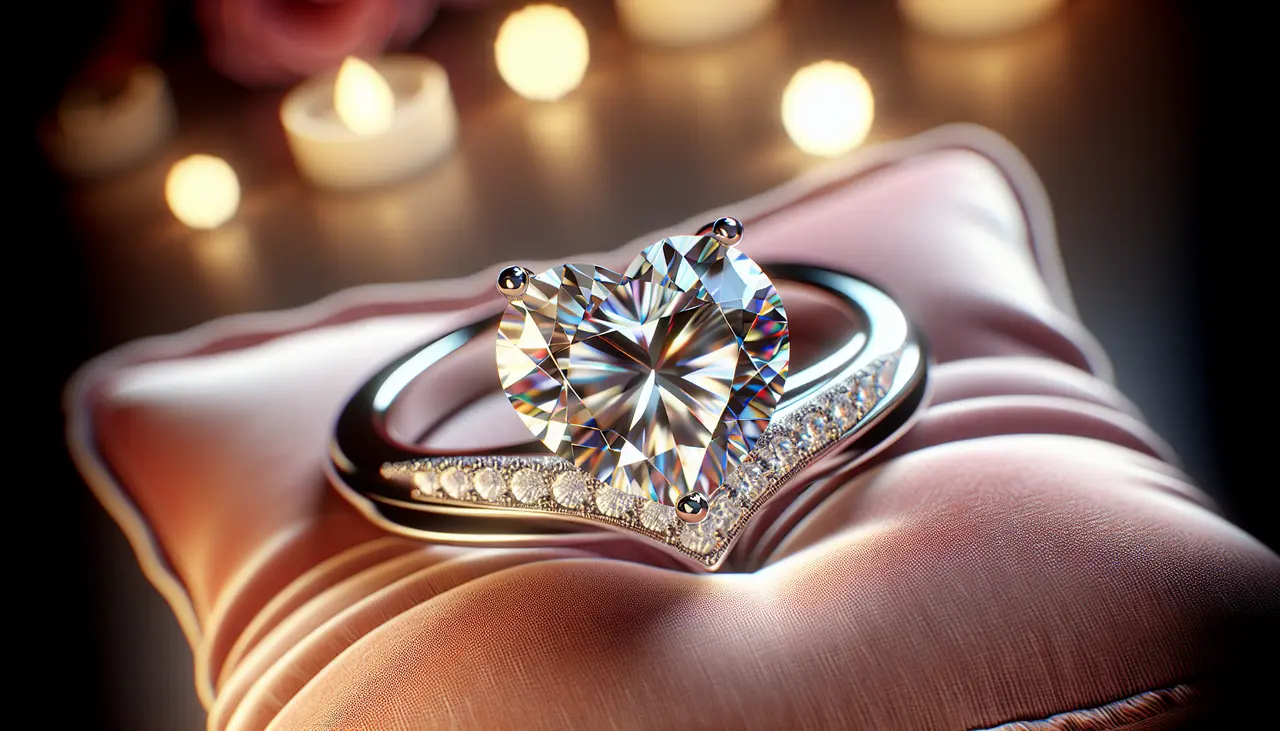
In the modern world, a love related ring is not just a mere commodity, it is a narrative bridge. As such, the “bubble” of traditional, mass-market jewelry is bursting because lovers are no longer satisfied with status symbols that lack personal or ethical resonance. A jewelry that fits lifestyle and tells specific story is a unique identity anchor and a marker along a shared timeline.
1. A Historical Reframing: A Voluntary Symbol of a Shared Journey
If you’re curating collections, history isn’t background—it’s leverage. Early systems like the Roman dual-ring tradition reveal how jewelry once encoded roles: iron for duty, gold for status. Over time, this evolved into something more balanced—shared identity rather than ownership.
This is where dedicated stores become foundational—guiding you through a thoughtful process and helping you curate engagement rings as unique as your love, shaped not by templates but by intention.
- The “vena amoris” belief (the biological vow of the 4th finger on the left hand- limb most closely associated with the heart) can still drive your modern placement decisions
- Renaissance designs; don’t settle for a static, “dead” object. Seek designs that move, interlock, or “click” together like interlocking rings turned symbolism into physical interaction
- Today’s most meaningful rings are built on mutual identity narratives, not outdated ideas of “ownership.”
For couples, this shift matters. Instead of looking for “the best ring in the store,” you are looking for the piece that serves as the physical log of your timeline.
2. Gemstones as Emotional Codes, Not Just Aesthetic Choices
A growing number of clients are moving away from default diamond thinking—not randomly, but intentionally.
Each gemstone carries a “coded message,” and understanding that gives you a competitive edge:
- Sapphires → Historically associated with the “heavens,” sapphires represent Trust and Sincerity.
- Emeralds → growth, renewal (ideal for second marriages or evolving partnerships)
- Rubies → intensity, passion (often chosen by bold, expressive couples)
- Aquamarine → calm, resilience (resonates with couples valuing emotional stability)
This isn’t about color preference—it’s about alignment with personal narratives. Professionals who guide clients through these meanings position themselves as consultants, not sellers.
3. Cultural Jewelry: Identity You Can’t Standardize
If you’re operating in diverse markets—or even advising globally mobile clients—cultural literacy is non-negotiable. Symbols like the Mangalsutra, Claddagh ring, and Stefana aren’t interchangeable accessories. They represent:
- Social status transitions
- Community recognition
- Spiritual or protective beliefs
Key insight: Clients aren’t just buying for themselves—they’re buying for visibility within a community
For businesses, the opportunity lies in respectful customization:
- Adapting designs without diluting meaning
- Offering education alongside the product
- Listening before proposing solutions
That’s how you build trust across cultures.
4. The Psychology of Wearing Commitment
This is where jewelry strategy of choice becomes subtle—and powerful. Jewelry works because it externalizes something internal. Research around the “wedding ring effect” shows that visible symbols influence perception, but more importantly, they reinforce identity.
- A ring becomes a daily behavioral anchor
- It reinforces a shared “we” mindset during conflict
- It signals stability and credibility in social and professional spaces
The tactile presence matters as much as the design in reinforcing emotional infrastructure. Couples who understand this are less price-sensitive and more value-driven.
5. Modern Craftsmanship: Where Function Meets Personal Story
Today’s jewelry market rewards those who combine technical knowledge with personalization. In the past, jewelry was often delicate and decorative (form over function), or bulky and industrial (function over form). Today, the “sweet spot” is where technical precision allows for deep personalization.
Consider how design choices solve real problems:
- Halo settings → enhance perceived size without increasing cost
- Platinum → ideal for durability in active lifestyles
- Gold → adaptable for long-term resizing and generational use
But the real shift is customization:
- Lovers want pieces that reflect their journey
- Standard templates are losing relevance
Dedicated jewelry stores have experts who help translate emotion into design. That solves abstract problems, prevents regretful design choices, and leverages invisible personalization. This is where listening becomes your strongest tool. Not every couple knows what they want—but they know what they feel.
In essence, when shopping for your engagement ring, intentionality is a strategic alignment that helps you make choices that relate deeply with your beliefs and relationship anthem; a piece that functions as a “living record” of your relationship. Identifying jewelers who understand the psychology of behavioral anchoring and the technical longevity of ring-wearing commitment is the difference between buying a disposable accessory and investing in emotional infrastructure.
